Agriculture, Food & Natural Resources
The Agriculture, Food & Natural Resources cluster focuses on the production, processing, marketing, distribution, financing, and development of agricultural commodities and resources including food, fiber, wood products, natural resources, horticulture, and other plant and animal products/resources.
Each lesson below includes an instructional video, lesson plan, and a student test or activity.
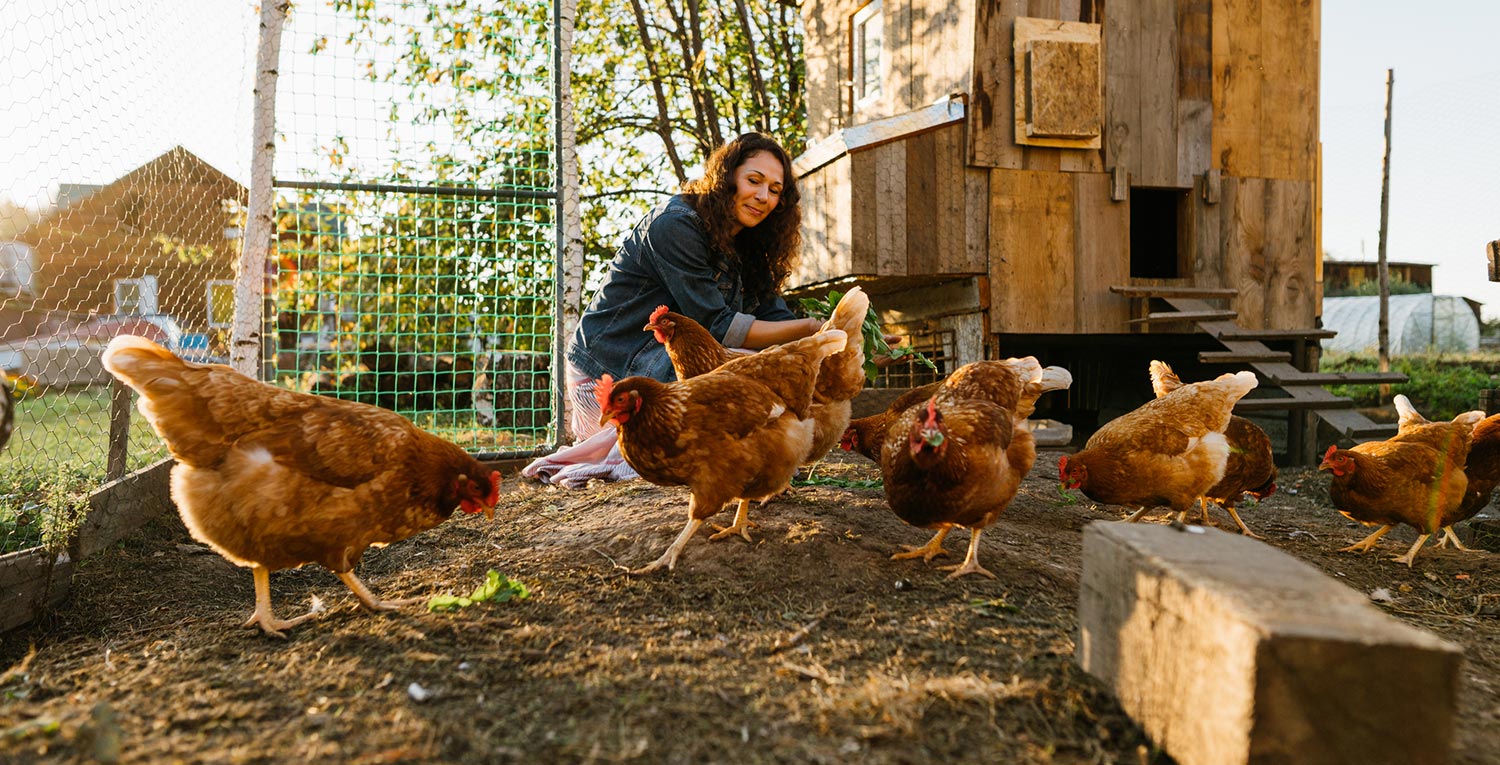
New Animal Husbandry
Upon completion of these materials, students will understand how animal husbandry supports food and material production through proper animal care, management, and breeding practices.
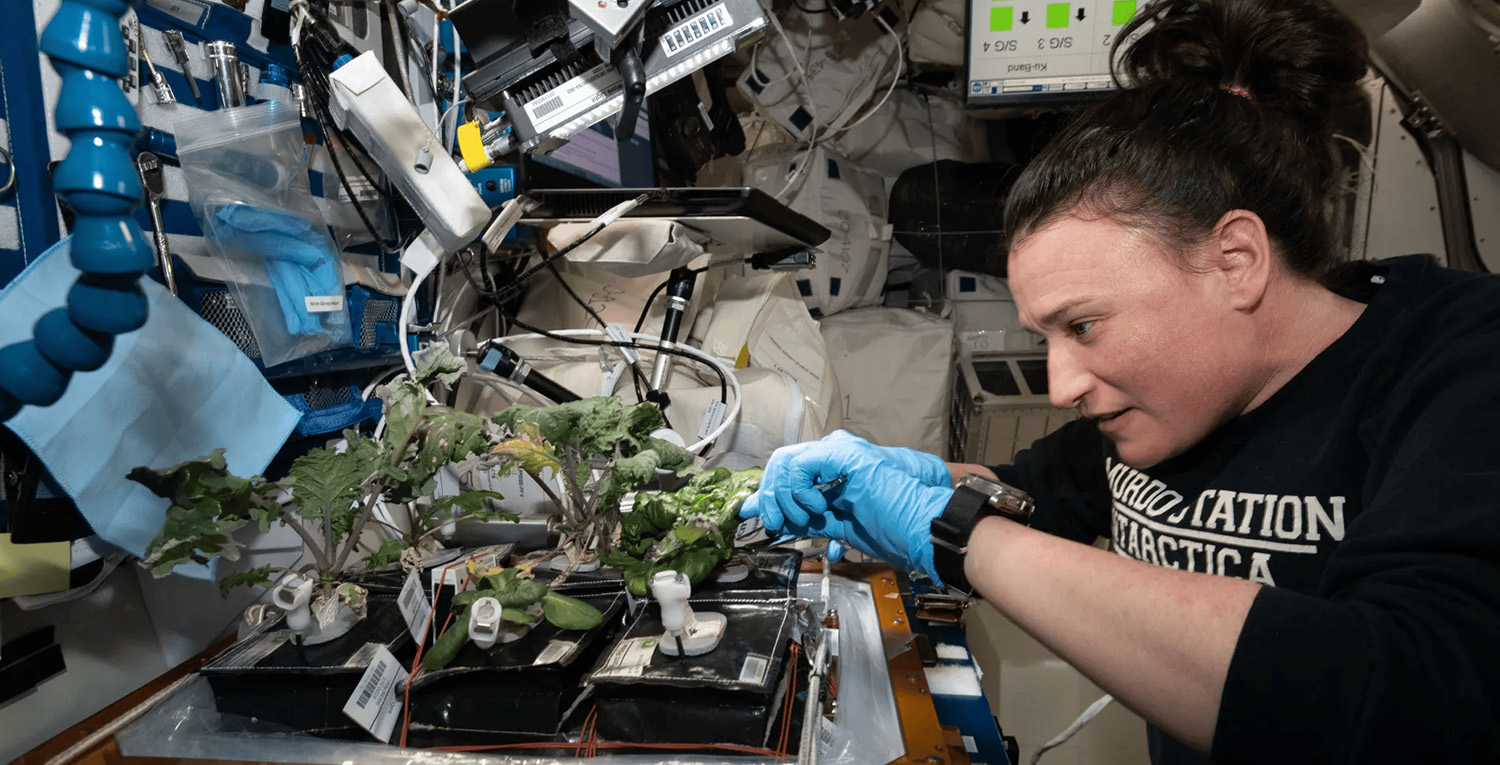
New Microgravity Plant Science
Upon completion of these materials, students will know techniques used to grow food in microgravity, how plants support life in space, and how technology helps plants grow in extreme conditions.
Agricultural Literacy
Upon completion of these materials, students will understand agricultural literacy in simple terms and identify everyday connections to food, clothing, fuel, and products.
Agricultural Research in Action
Upon completion of these materials, students will understand how agricultural research uses science, technology, engineering, and hands-on experimentation to solve real problems.
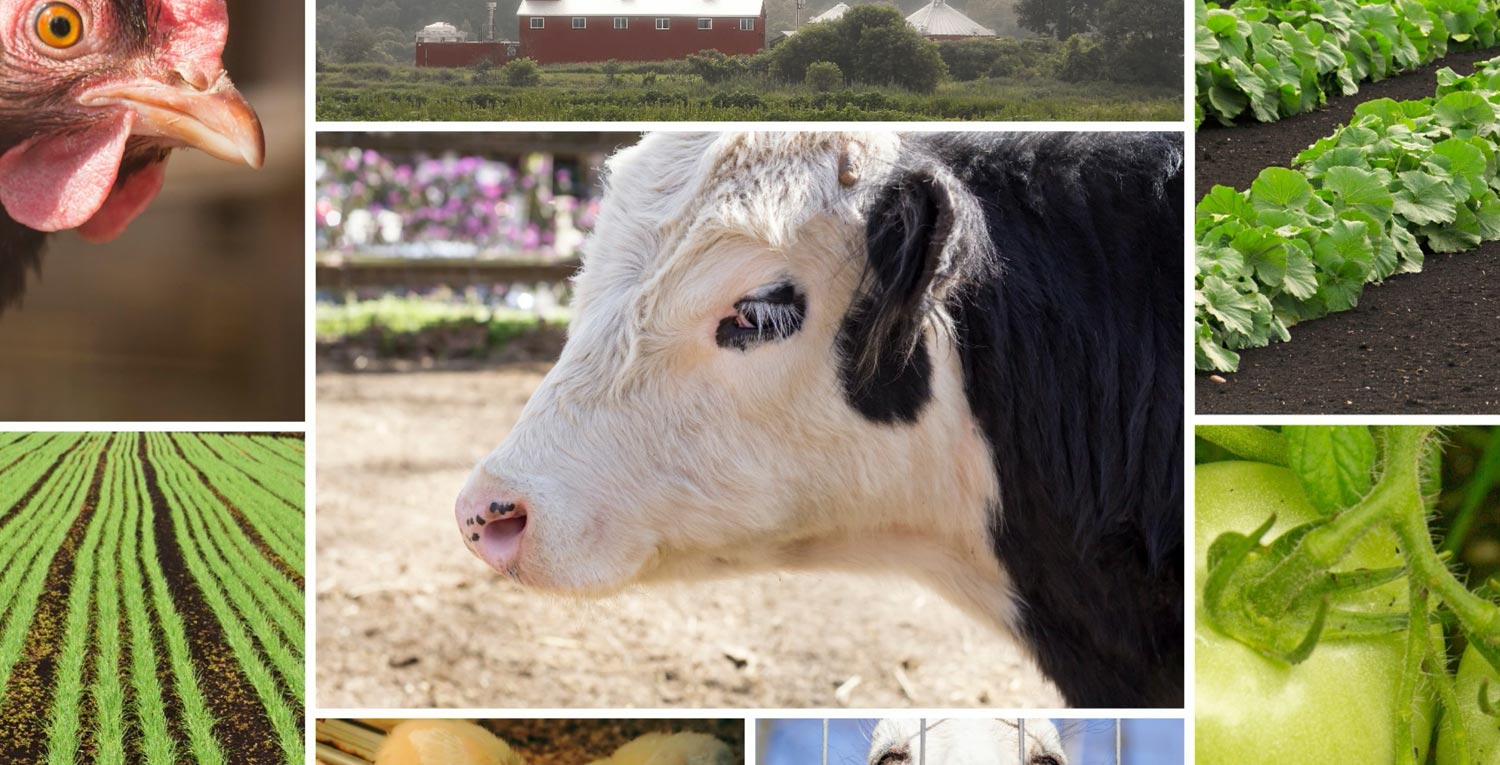
Biodiversity in Farming
Upon completion of these materials, students will understand what a biodiverse ecosystem is, how it functions on a farm, and strategies farmers use to encourage biodiversity.
Cluster Overview: Agriculture, Food & Natural Resources
Upon completion of these materials, students will know the career pathways and some corresponding occupations within the Agriculture, Food & Natural Resources CTE cluster.
Introduction to Agriculture
Upon completion of these materials, students will know the fundamentals of agriculture and how it affects our everyday lives.
Crop Production
Upon completion of these materials, students will know the importance of crop production, types of crops, and steps involved in the process.

Food Science and Nutrition
Upon completion of these materials, students will know the basics of food science and nutrition including food groups and nutrients.
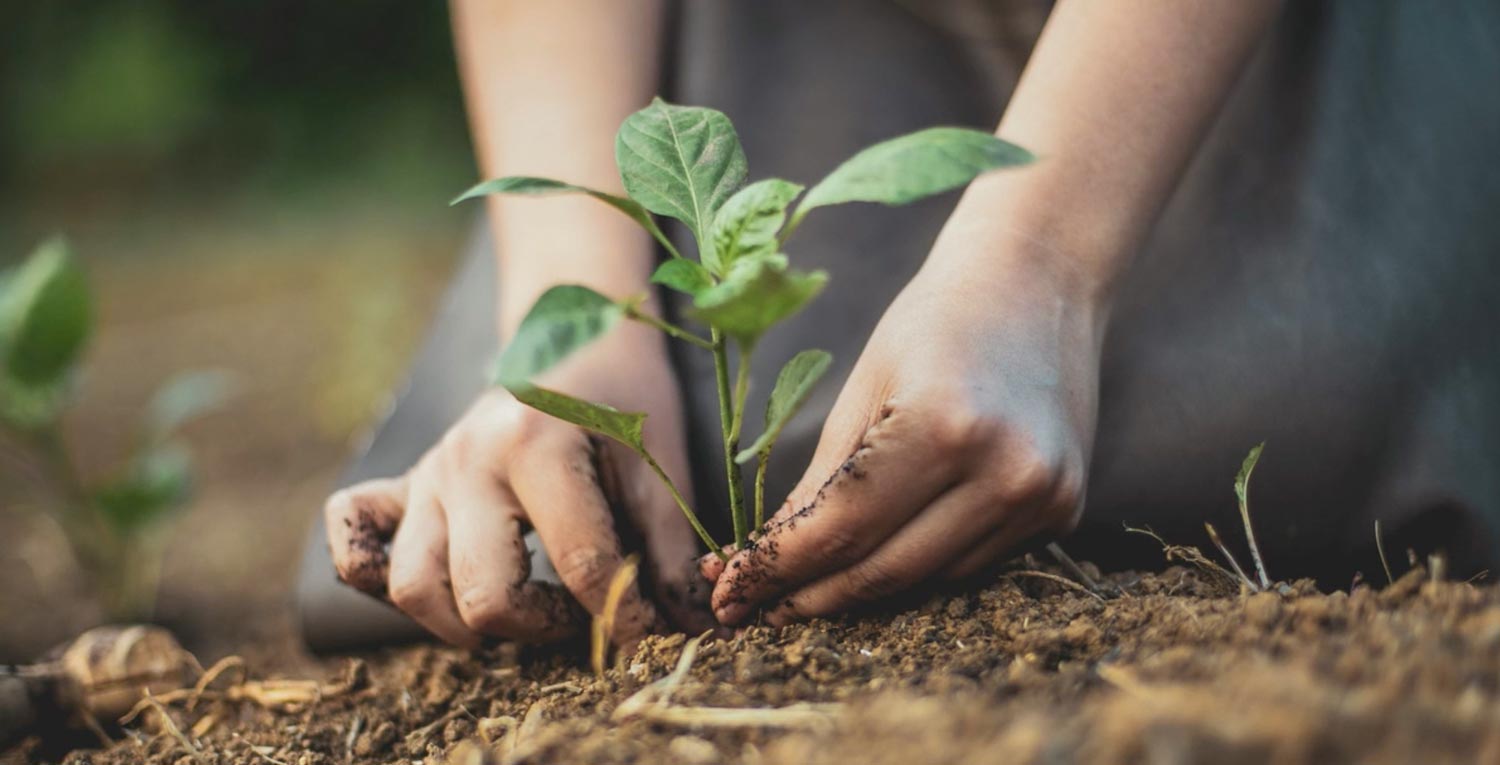
Basics of Horticulture
Upon completion of these materials, students will understand the basics of horticulture, including its history, plant anatomy and processes, and soil.
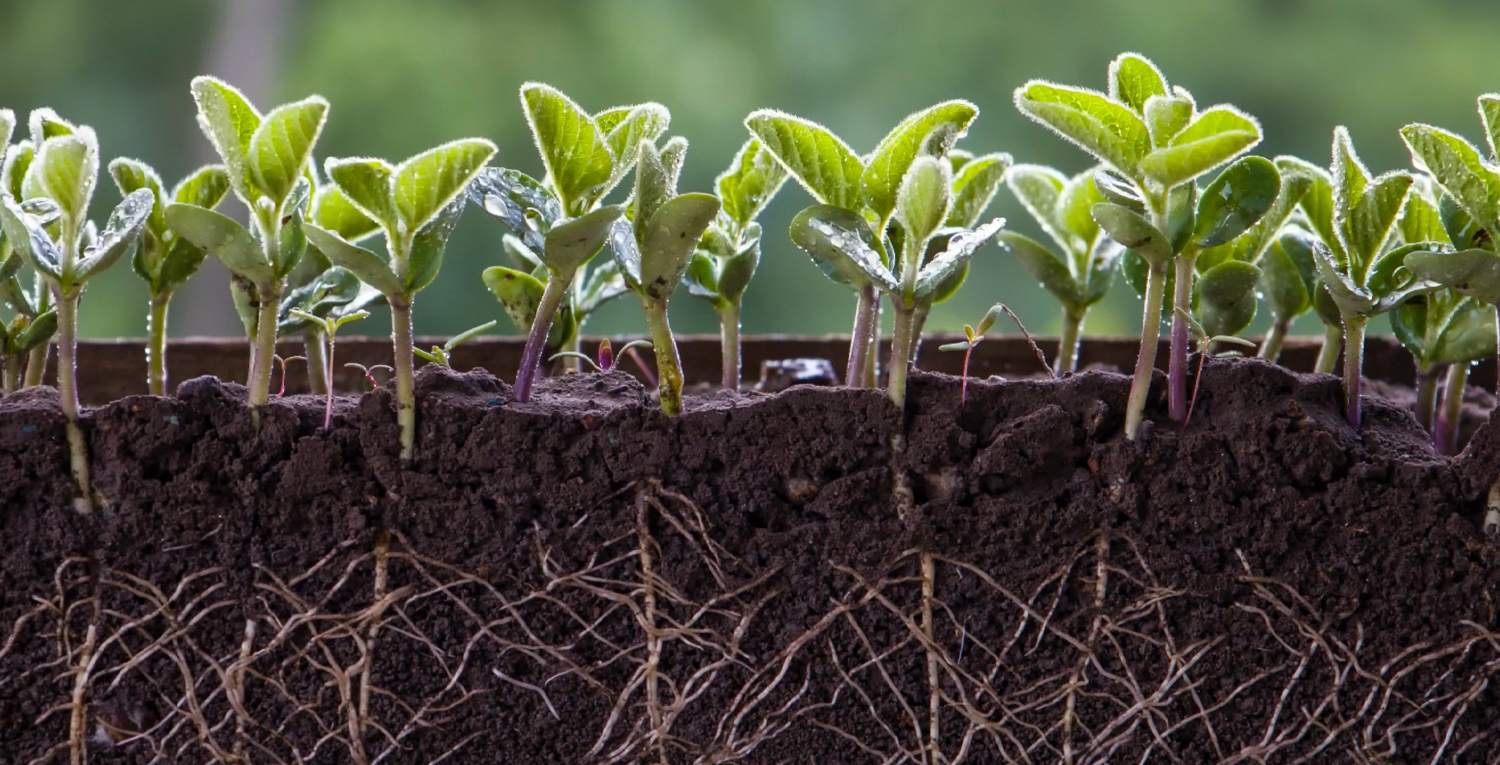
Horticulture: Plant Propagation and Nutrition
Upon completion of these materials, student will know the basic concepts of creating new plants through propagation and how plants take in water and nutrients.

Quality Assurance in Food Processing
Upon completion of these materials, students will learn how ingredients are processed and tested in a plant to ensure that food is safe for consumption.
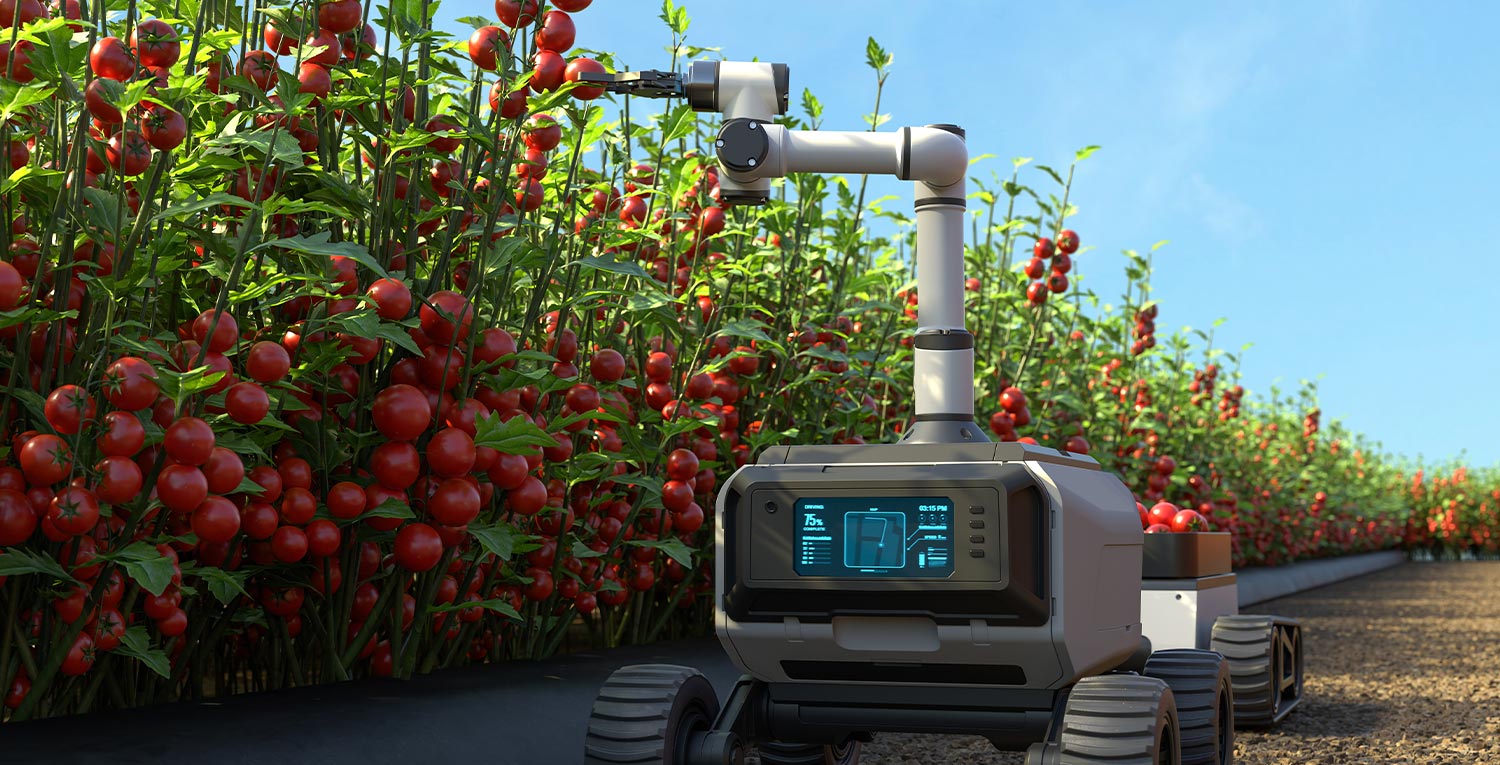
Robotics in Agriculture
Upon completion of these materials, students will understand how robotics can be applied in agriculture, including some of the pros and cons of their use.
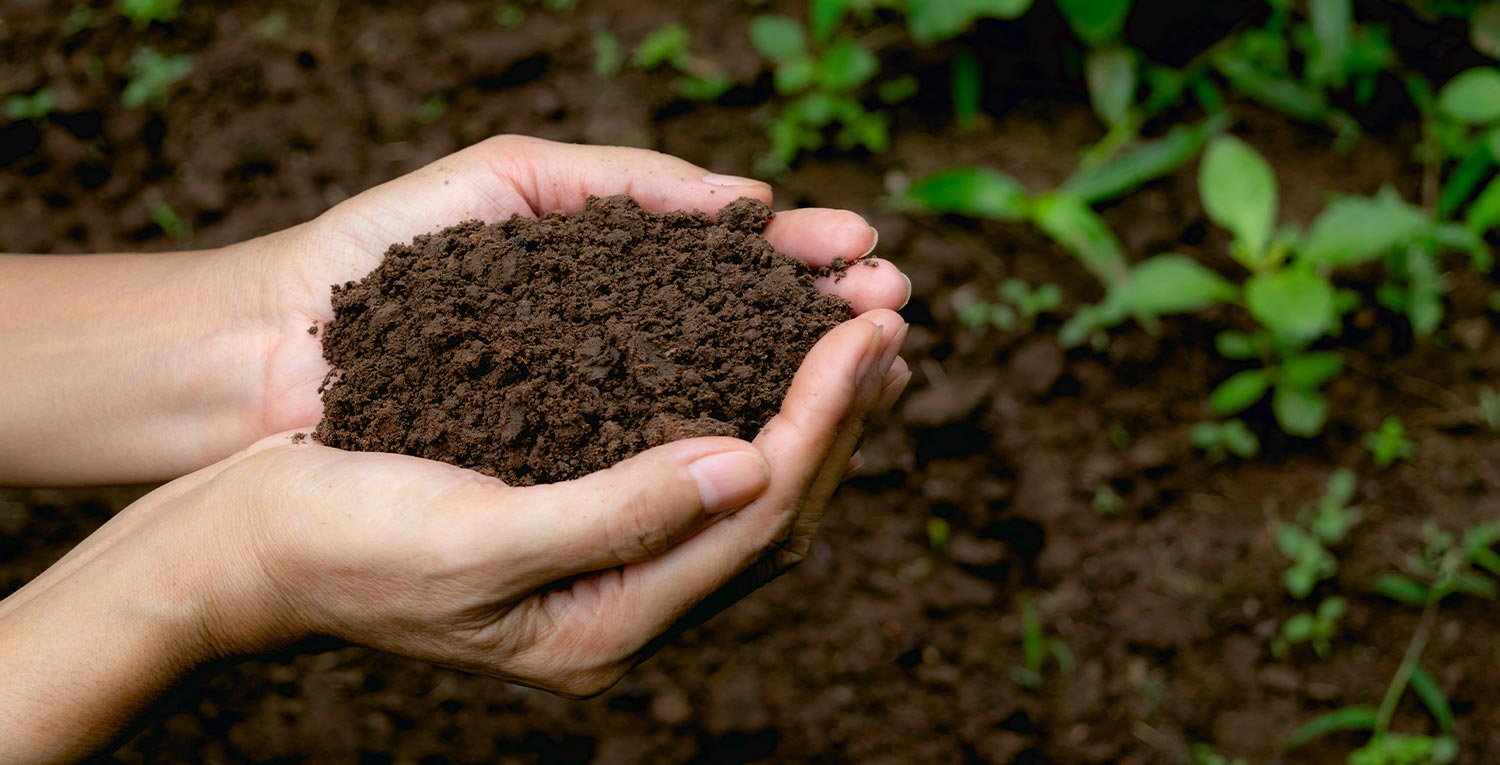
What is Soil?
Upon completion of these materials, students will learn how soil forms and functions and understand why responsible land and water management are crucial for agriculture and ecosystems.
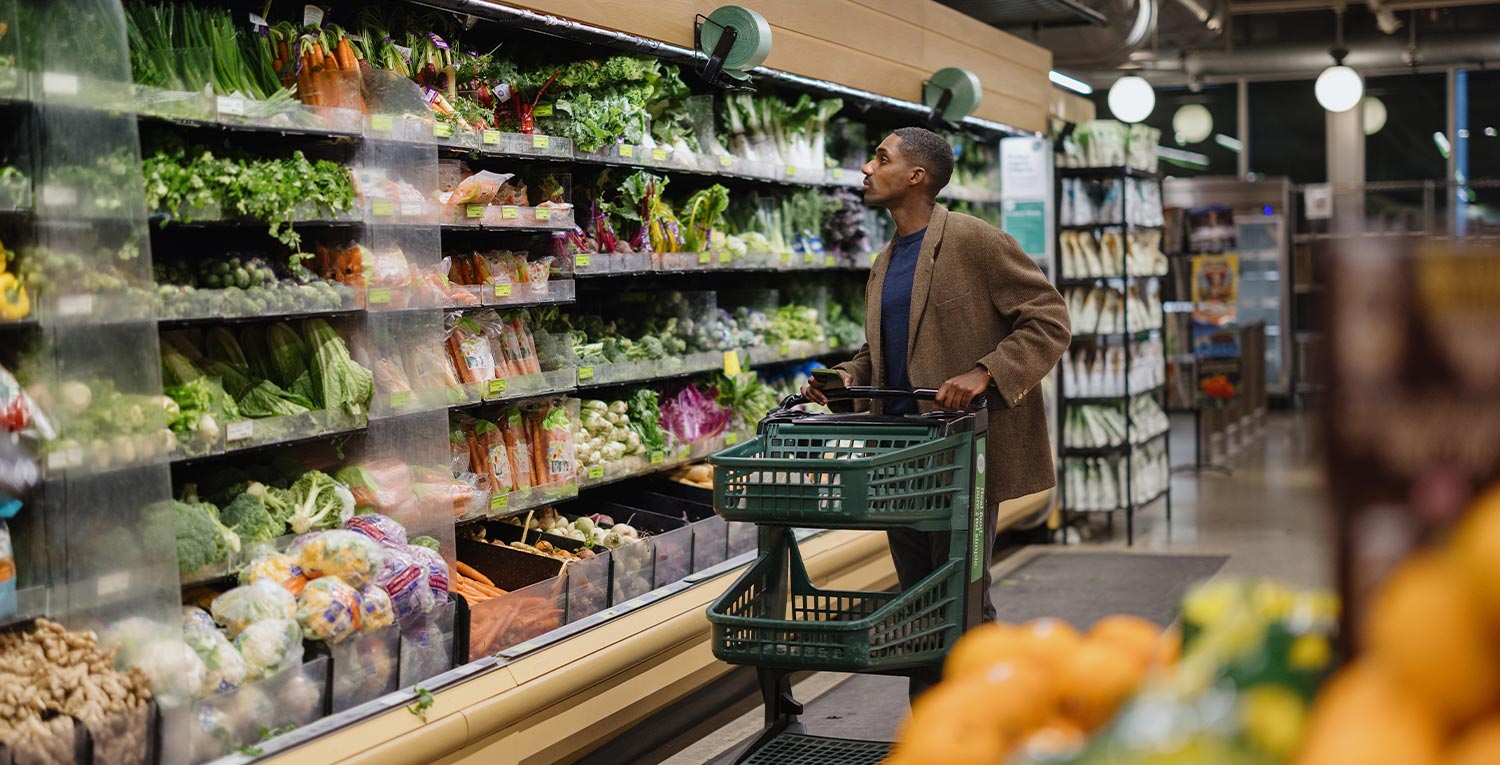
Agricultural Geography and Access to Food
Upon completion of these materials, students will understand how agricultural geography explains differences in food access by considering factors that shape local and global food systems.
Key concepts of Agriculture, Food & Natural Resources condensed into a series of short instructional videos around a similar topic.